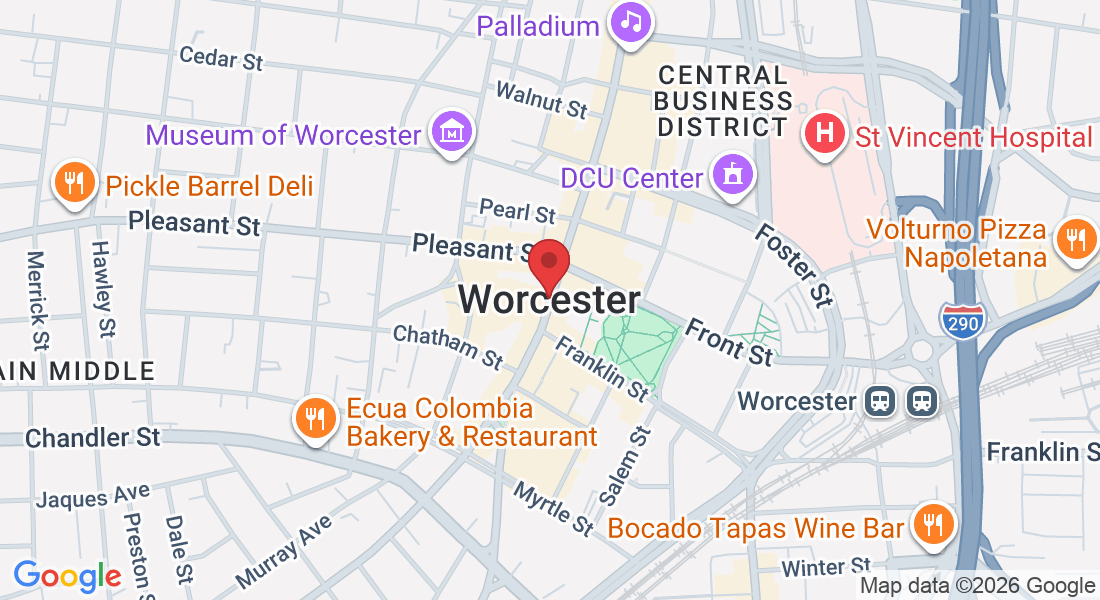
Marlborough's Pre-1980 Buildings and the Asbestos Removal Process
Asbestos Risk in Marlborough's Older Building Stock
Marlborough's industrial heritage — centered on the shoe manufacturing economy that shaped the city through the late 19th and early 20th century — left behind a commercial and residential building inventory that concentrates asbestos risk in two distinct layers. The manufacturing facilities, mill buildings, and commercial structures from Marlborough's industrial period and the subsequent mid-century expansion used asbestos extensively in insulation, flooring, roofing, and mechanical systems. The residential neighborhoods built to house the workforce from those same decades reflect the same pre-1980 material profile found throughout Central Massachusetts. Older residential streets in Marlborough contain the range of asbestos-containing materials standard to pre-1980 construction: pipe insulation on basement heating systems, vinyl asbestos floor tile throughout kitchens and lower levels, popcorn ceiling texture in living spaces, and transite asbestos-cement siding on wood-frame exteriors. Renovation activity in this housing stock — floor replacements, kitchen and bathroom updates, boiler conversions, and exterior re-siding — consistently surfaces asbestos during the disturbance of original building materials. The denser residential sections of Marlborough, where multifamily buildings and closely spaced single-family homes represent the dominant property type, carry a particularly consistent pre-1980 ACM profile. Floor tile and pipe insulation in these properties are expected finds, and renovation contractors working in the area have learned to treat pre-1980 buildings as requiring inspection before any flooring, mechanical, or ceiling work begins. Massachusetts regulations require pre-renovation identification of asbestos regardless of building size or project scope, and Marlborough properties built before 1980 should be inspected before any work that could disturb original building materials proceeds.
What Triggers Abatement in Marlborough Properties
Marlborough's Route 20 corridor commercial buildings and the city's older downtown and industrial inventory present asbestos abatement requirements at a different scale than residential work. Pre-1980 commercial structures along the Route 20 corridor contain pipe insulation in mechanical rooms, vinyl floor tile under current flooring installations, and ceiling systems with ACM that requires inspection before tenant improvements or renovation work proceeds. Buildings from the shoe manufacturing era that have been repurposed for light industrial, commercial, or mixed-use occupancy present multi-material ACM inventories across larger footprints. Inspection and laboratory testing before renovation work begins is a legal requirement in Massachusetts for any pre-1980 property where renovation or demolition could disturb suspect materials. For Marlborough commercial properties where renovation is planned — HVAC upgrades, floor replacements, ceiling reconfigurations, or structural modifications — pre-work inspection protects property owners, contractors, and tenants from the regulatory exposure that comes with unplanned asbestos disturbance. Property transactions involving pre-1980 commercial buildings in Marlborough increasingly involve asbestos inspection reports as part of buyer due diligence. Environmental assessments for commercial property purchases commonly include asbestos inspection, and establishing the ACM status of a building before closing eliminates post-transaction disputes about disclosed and undisclosed hazards. Marlborough commercial property owners working through renovation projects benefit from scheduling inspection during the planning phase rather than discovering asbestos after construction has begun, when the cost and schedule impact of mid-project abatement is substantially higher.
Residential Pipe and Floor Tile Removal in Marlborough
Pipe insulation and vinyl asbestos floor tile are the two most consistently encountered ACM types in Marlborough's pre-1980 residential inventory. Older heating systems in single-family homes and multifamily buildings built through the 1970s were installed with asbestos-wrapped pipe runs, boiler casings, and elbow fittings throughout the mechanical and distribution systems. This insulation remains in basement mechanical spaces in a condition that varies with age, moisture exposure, and the number of times plumbing or HVAC work has disturbed it over the decades since original installation. Vinyl asbestos tile — the 9-inch and 12-inch square floor tile that was the standard for residential and commercial floor installations from the 1950s through the early 1970s — is present in a high proportion of Marlborough pre-1980 residential properties. Kitchen floors, basement slabs, and bathroom installations from this period commonly contain chrysotile asbestos at concentrations ranging from 2 to 30 percent of the tile's composition. The black mastic adhesive bonding the tile to the subfloor also tests positive for asbestos in many cases, extending the abatement scope to include the adhesive layer. Residential abatement for pipe insulation and floor tile in Marlborough follows Massachusetts 454 CMR 22.00 requirements: licensed contractor, MassDEP notification where scope meets threshold quantities, proper containment and wet-method removal, waste manifesting and licensed disposal, and air clearance testing before re-entry. We coordinate with general contractors and specialty trades to sequence abatement within the broader renovation schedule so that cleared spaces are available when trades are ready to proceed.
Pre-Renovation Inspection Along Route 20
Marlborough's Route 20 commercial corridor and the city's older downtown and industrial-district buildings present inspection and pre-renovation testing requirements that are part of responsible project planning for any renovation or tenant improvement work in pre-1980 structures. Massachusetts requires asbestos-containing materials to be identified before any work that could disturb them proceeds, and the commercial building inventory along this corridor contains the full range of ACM types common to mid-20th century construction. A pre-renovation inspection for a Marlborough commercial property involves a licensed inspector walking the full scope of the building, identifying and sampling all suspect materials — pipe insulation in mechanical rooms, floor tile under current flooring layers, ceiling tile and plaster systems, exterior cladding, and roofing materials where accessible. Samples go to an accredited laboratory for PLM analysis, and the written report establishes the ACM status of each sampled material, what must be abated before work proceeds, and what Massachusetts notification requirements apply. For larger commercial renovation projects in Marlborough — change-of-use conversions, tenant buildouts in older buildings, and comprehensive renovation of mill or industrial properties — inspection is typically the first work order on the project schedule. Results determine how abatement is phased relative to the overall construction timeline, what portions of the building can proceed on parallel tracks, and where sequential abatement-then-construction sequences must be maintained. Scheduling inspection early avoids the project delays that result from mid-construction asbestos discovery.
Commercial Abatement in Marlborough's Industrial Buildings
Marlborough's manufacturing-era commercial and industrial buildings present multi-material asbestos abatement requirements characteristic of structures built and continuously modified through the 1940s, 1950s, and 1960s. Shoe industry and light manufacturing facilities, along with commercial and institutional buildings built to support the city's industrial-era workforce, incorporate asbestos in virtually every major building system — pipe insulation and boiler room casings, large-format floor tile across operational footprints, asbestos-cement roofing and siding panels, and ceiling insulation systems in older multi-story structures. Asbestos abatement in these properties requires comprehensive pre-project inspection that covers all building systems, phased abatement planning that accounts for which areas need to be cleared before which construction activities begin, and project management that keeps abatement sequenced ahead of the trades working in each cleared section. Massachusetts licensing and notification requirements apply throughout, and commercial clients receive a complete documentation package — inspection reports, notification confirmations, waste manifests, and clearance results — at project close. Adaptive reuse projects in Marlborough that convert older manufacturing or commercial buildings to residential, office, or mixed-use occupancy routinely involve the most significant asbestos abatement scope. A comprehensive pre-project inspection scopes the full abatement requirement so that development costs can be accurately estimated and project timelines can account for the notification and abatement periods required before conversion work can proceed in each building section.
Comprehensive Asbestos Removal And Mitigation Services in Worcester
Tailored to Your Needs
Worcester's pre-1980 housing and commercial inventory requires expert asbestos management. From residential triple-deckers in Main South to institutional facilities near the city's university campuses, our licensed team handles every material type, every project scope, and every Massachusetts regulatory requirement.
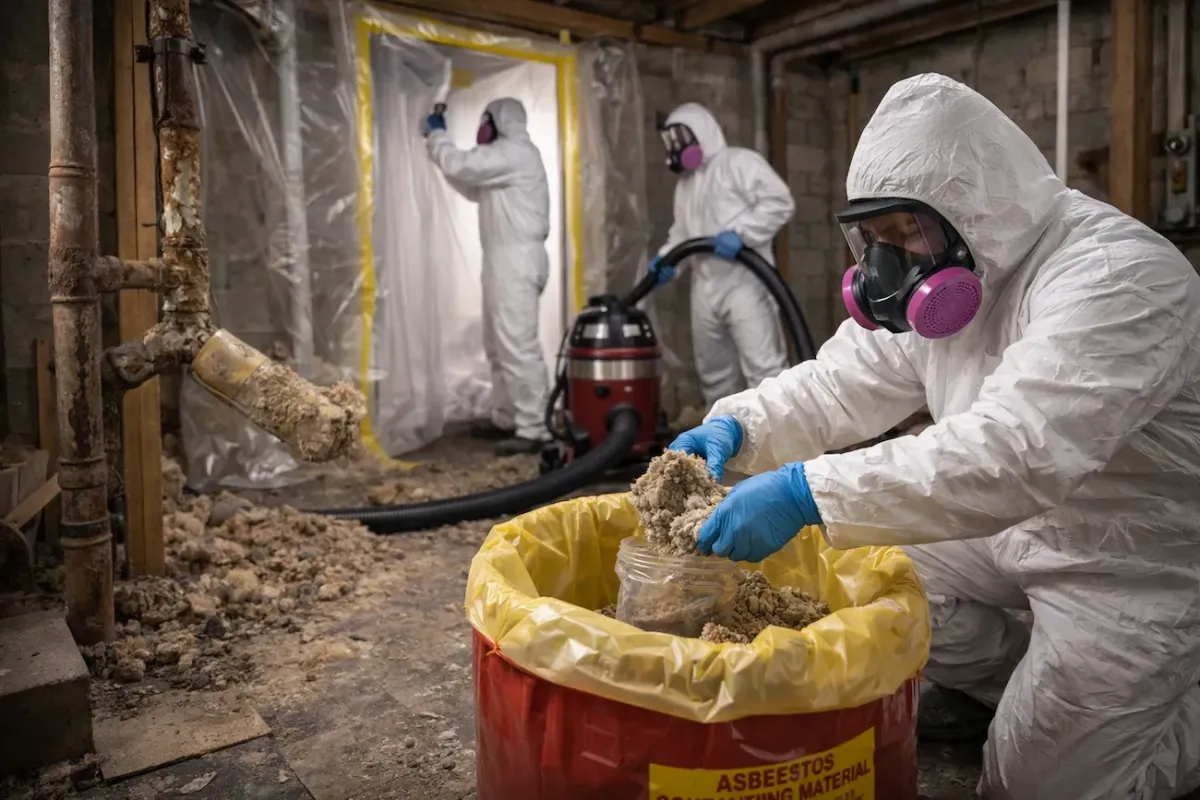
We safely remove asbestos-containing materials from Worcester homes, handling pipe wrap, floor tiles, ceiling texture, and more in full compliance with Massachusetts regulations.
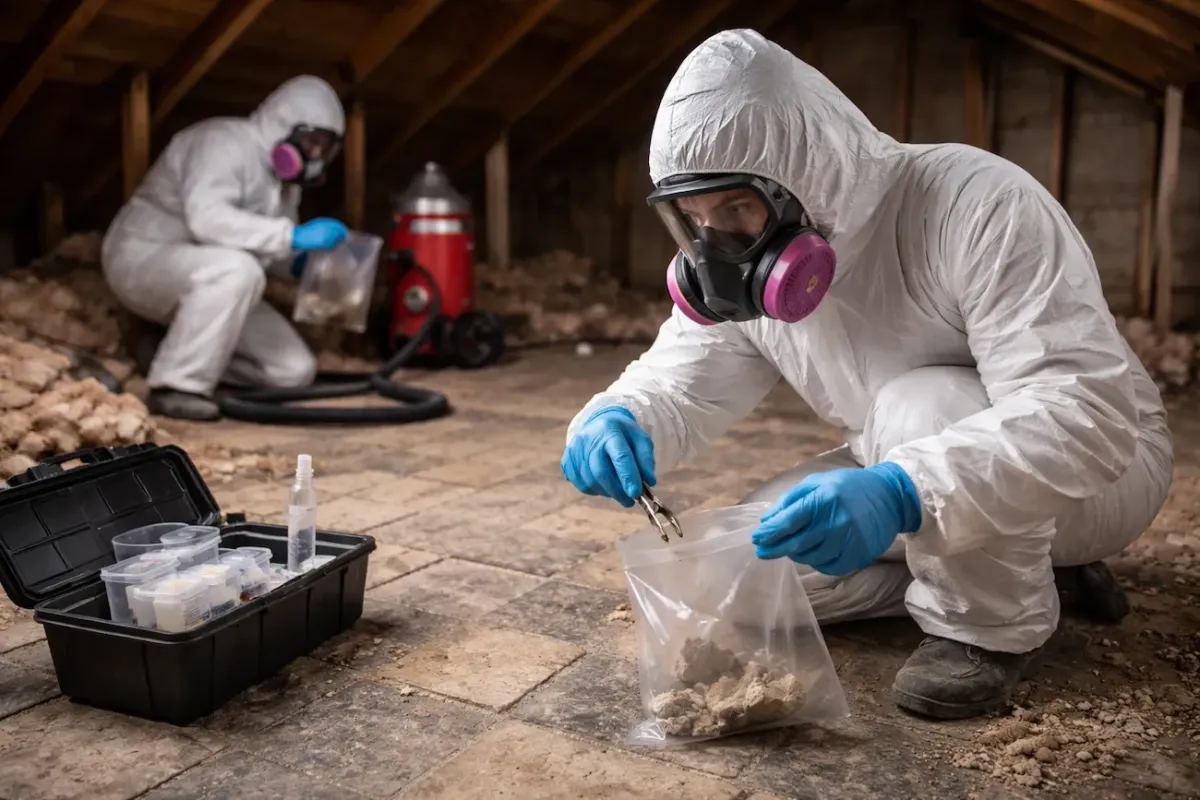
Our licensed inspectors identify and sample suspect asbestos-containing materials in Worcester properties, providing detailed reports before any renovation or abatement work begins.
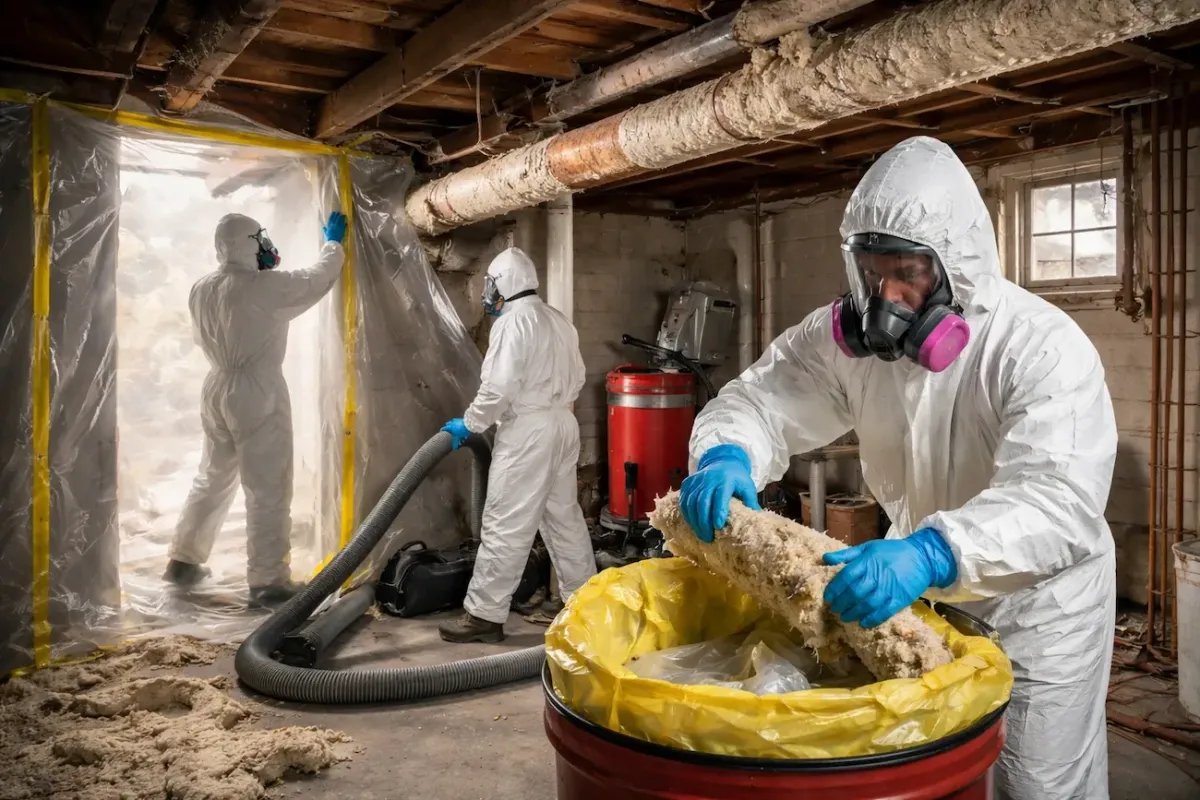
Full-scope asbestos abatement for Worcester residential and commercial properties, including MassDEP 10-day notification filing, containment, removal, and air clearance testing.
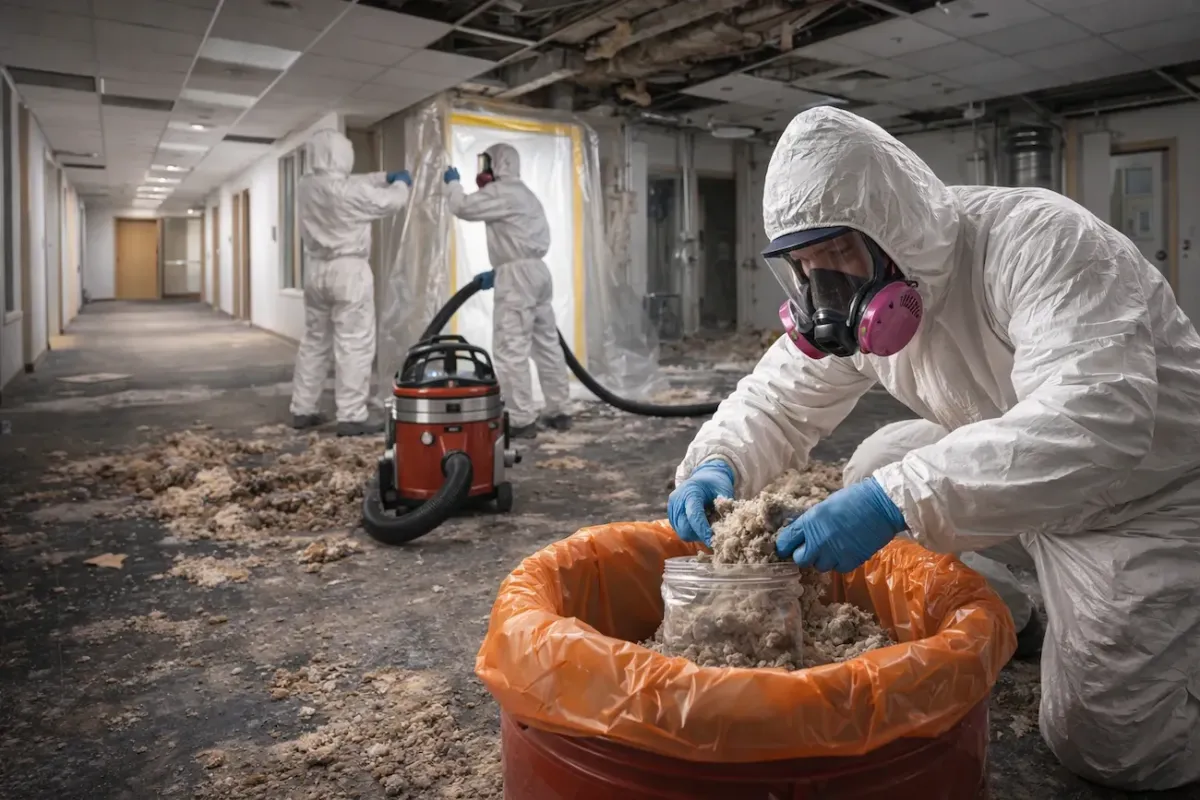
We handle commercial asbestos removal for Worcester office buildings, mill properties, university campuses, and institutional facilities, minimizing downtime and meeting all regulatory requirements.
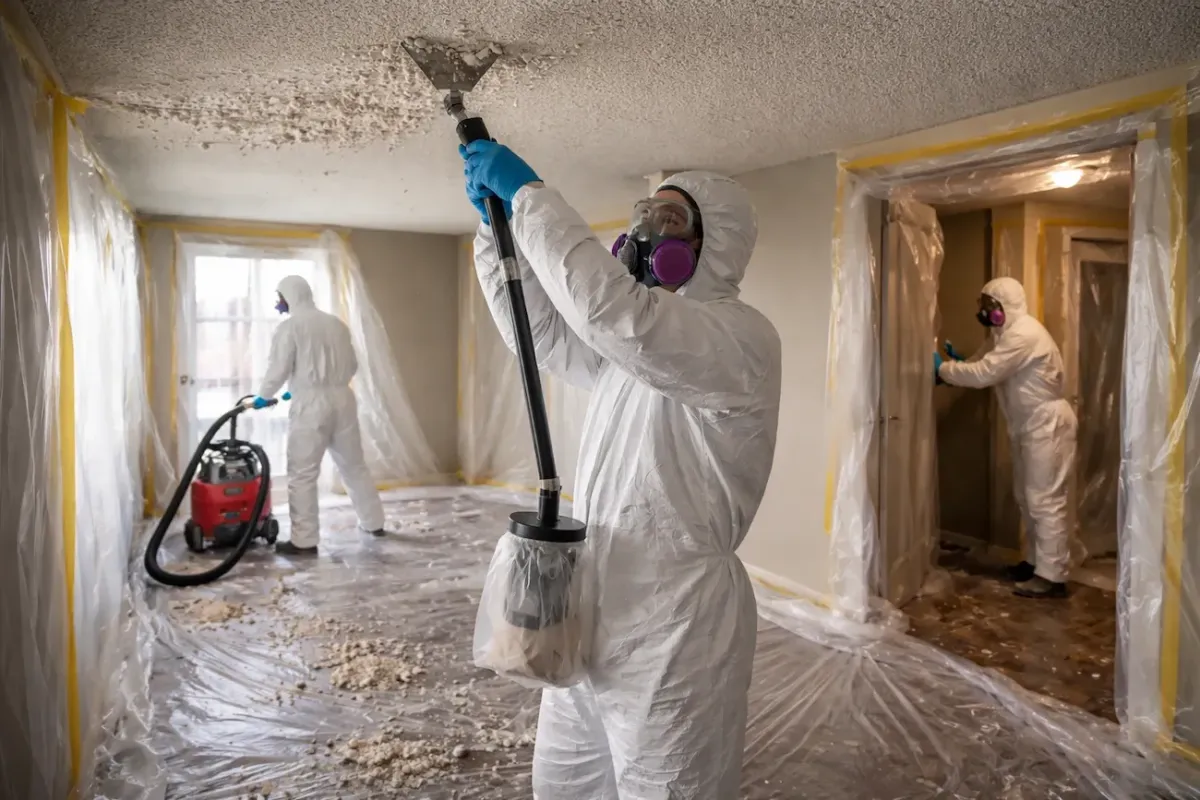
Pre-1980 popcorn ceiling texture throughout Worcester's housing stock frequently contains asbestos—we remove it safely with proper containment and air monitoring on every project.
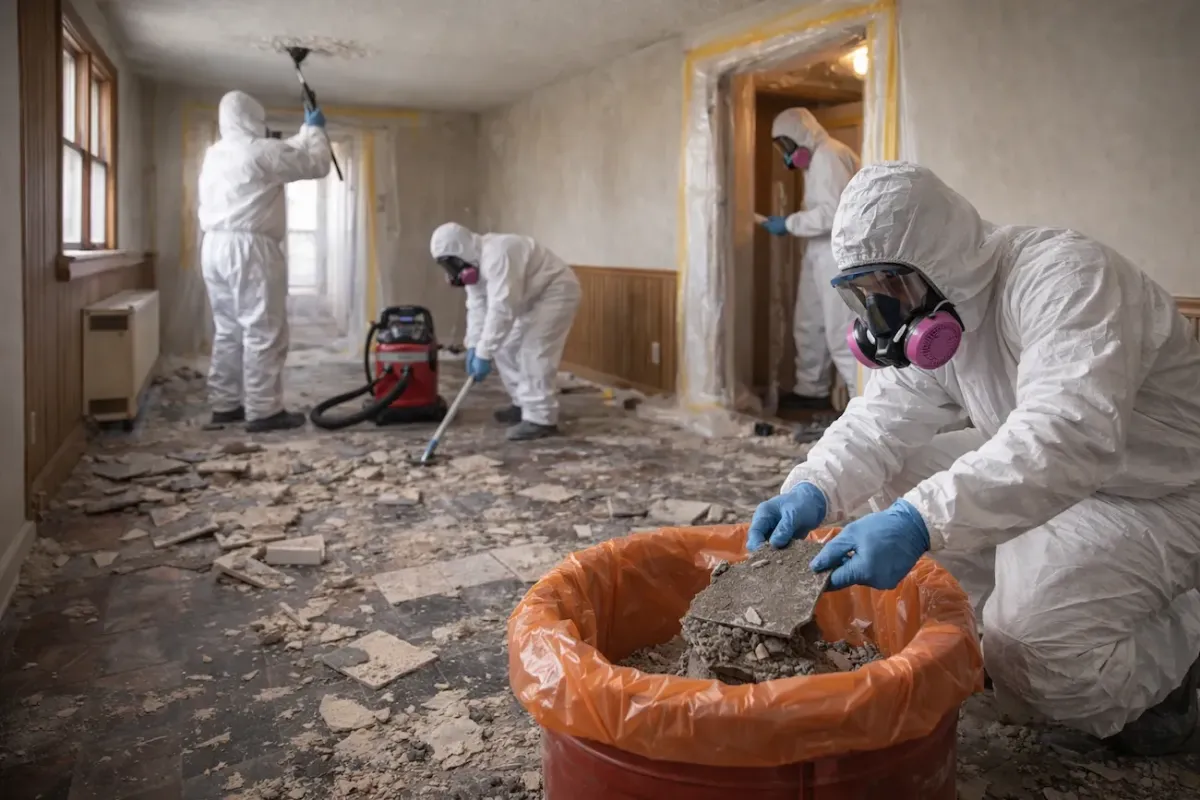
Vinyl asbestos tile is one of the most common ACM types found in Worcester's pre-1980 homes and commercial properties—our team removes it correctly so your renovation can proceed.
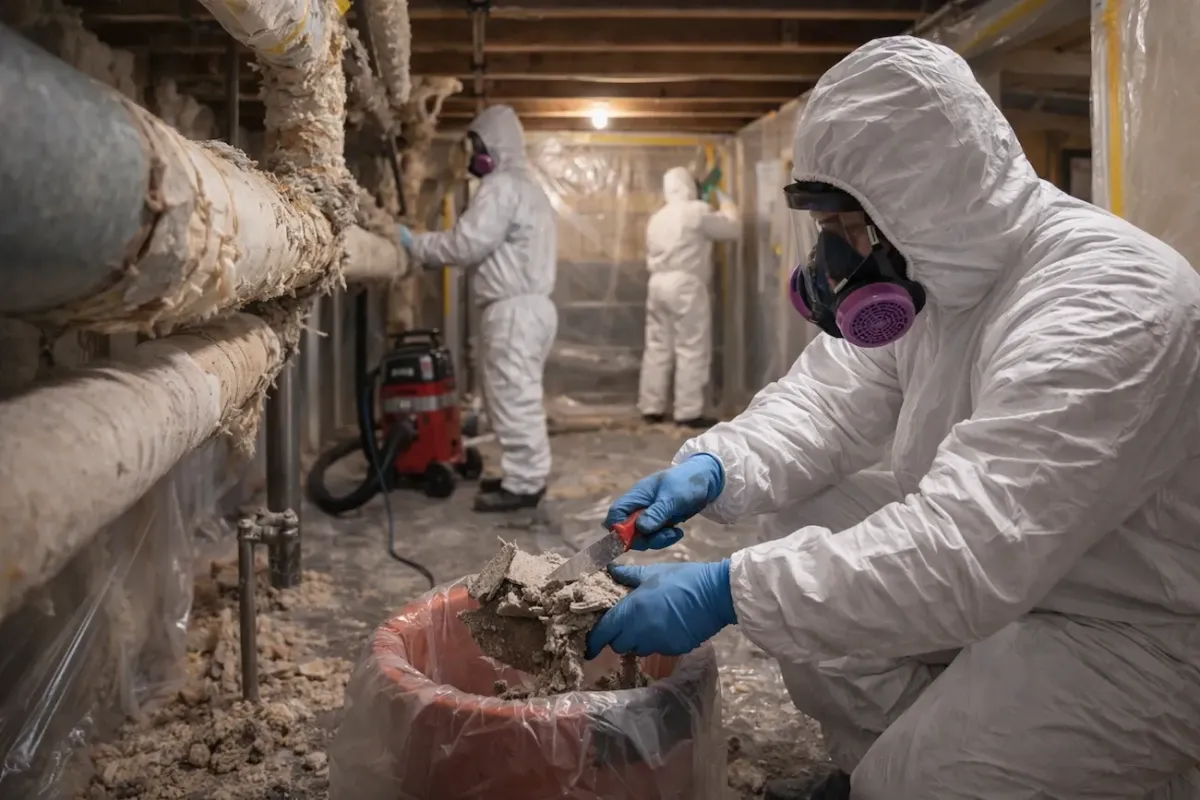
Asbestos pipe wrap on boiler systems and basement heating lines is common throughout Worcester's older housing inventory—we remove and dispose of it safely and completely.
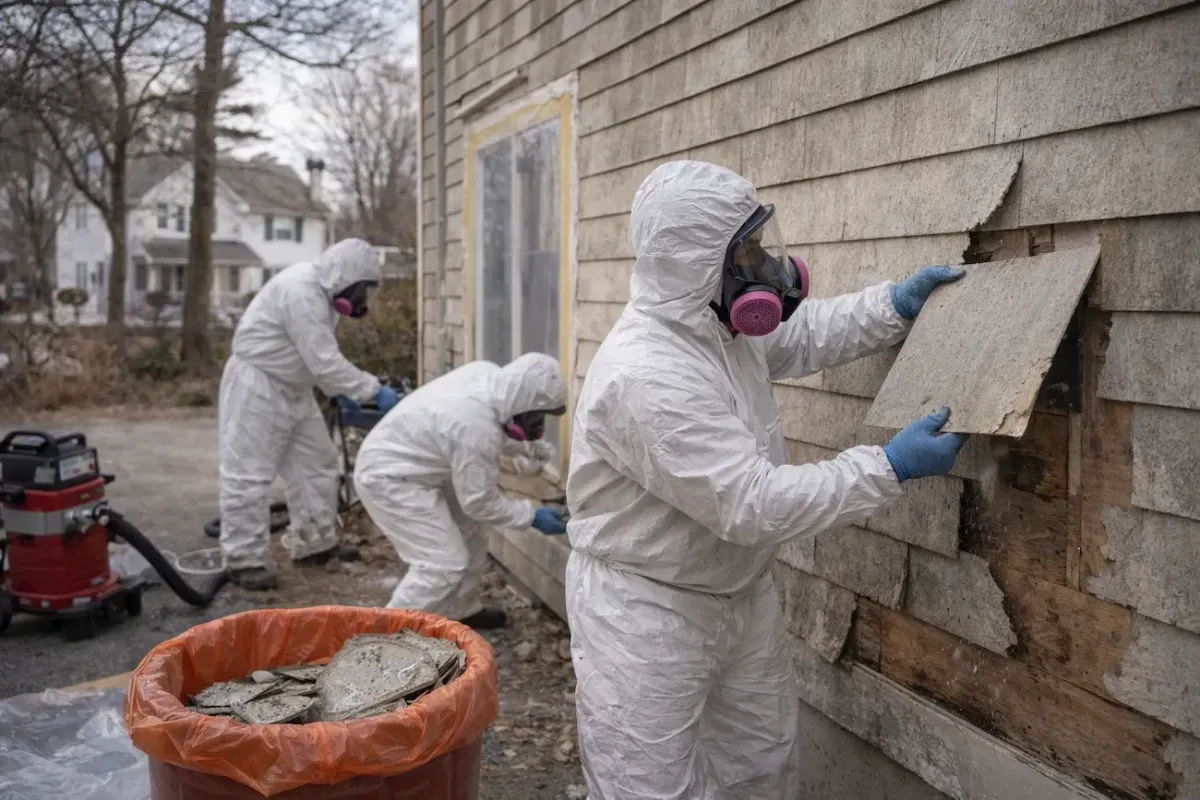
Transite asbestos-cement siding is a documented feature of Worcester triple-deckers and early 20th-century homes—we remove it safely before exterior renovation or repainting.
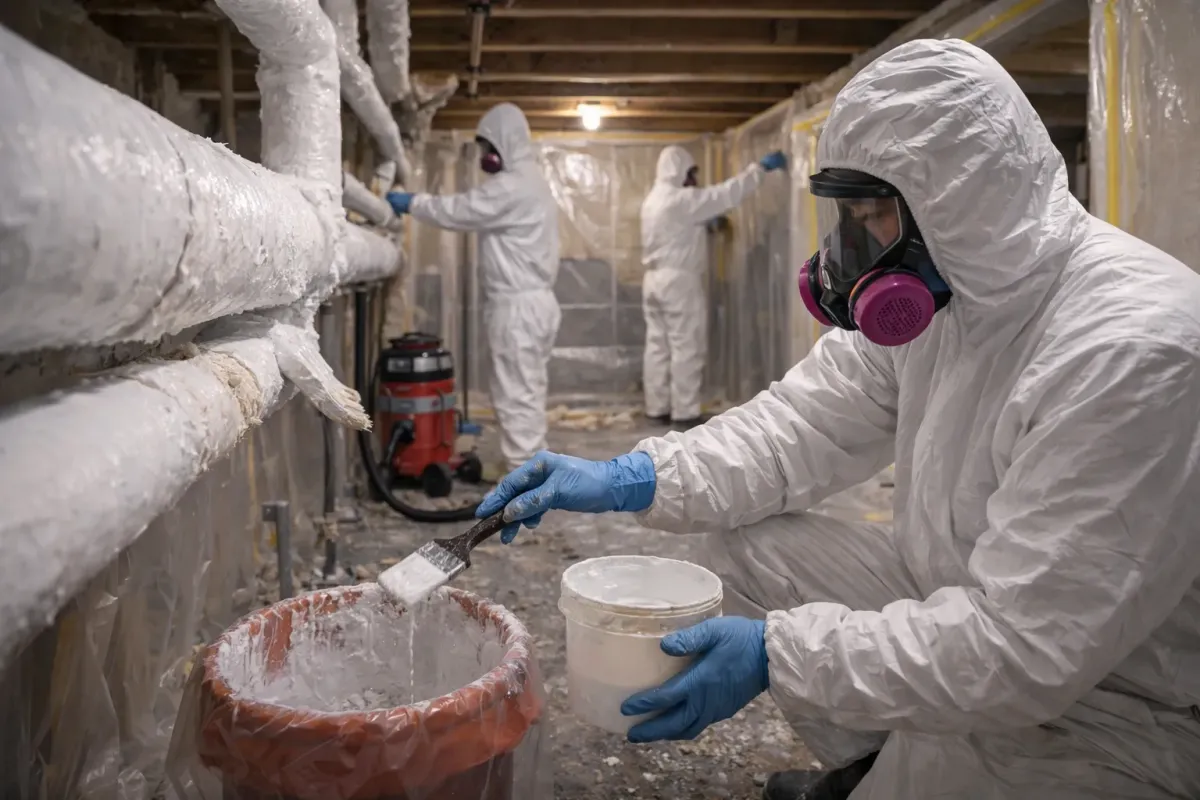
When full removal is not required or cost-effective, encapsulation is an approved Massachusetts option for non-friable asbestos in siding, floor tiles, and other stable ACM.
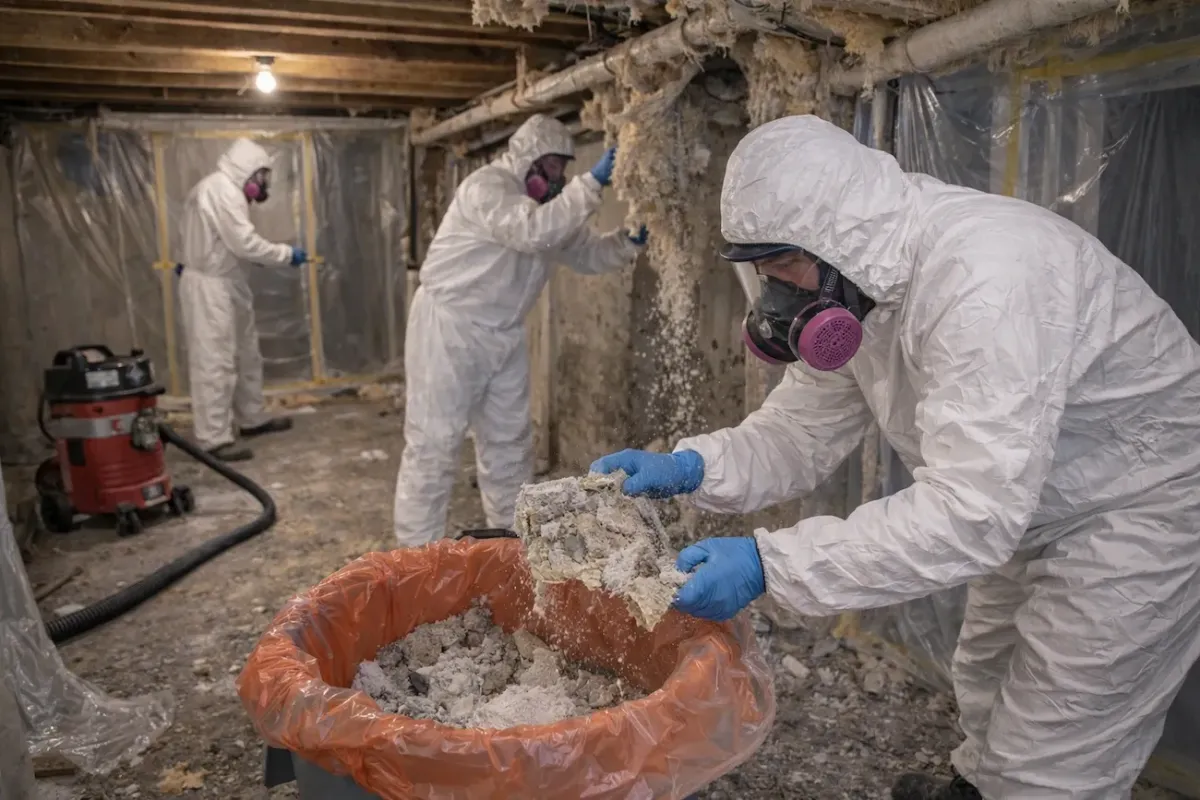
When an unexpected pipe failure, renovation accident, or storm damage disturbs asbestos-containing materials in a Worcester property we respond quickly to contain and remediate safely.
Frequently Asked Questions
Asbestos Removal And Mitigation can be complex, and we’re here to provide answers to common questions. Here are some frequently asked questions from our clients.
Frequently Asked Questions about Asbestos Removal Worcester
Do I need a licensed contractor to remove asbestos in Massachusetts?
Yes. Massachusetts requires all asbestos removal and abatement work above certain thresholds to be performed by contractors licensed under the Department of Labor Standards. Homeowner exemptions that exist in some states do not apply to most regulated asbestos work in Massachusetts. Hiring an unlicensed contractor exposes property owners to significant liability and may create compliance problems that delay renovation permits.
What is the MassDEP 10-day notification requirement?
Any asbestos project that meets Massachusetts notification thresholds—generally projects involving 160 square feet, 260 linear feet, or 35 cubic feet of asbestos-containing material or more—requires written notification to MassDEP at least 10 business days before work begins. We handle this notification for every qualifying project, track the waiting period, and coordinate start dates so your renovation timeline is not affected by compliance delays.
How do I know if my Worcester home contains asbestos?
Visual identification is not reliable. Asbestos was used in dozens of building materials and most cannot be distinguished from non-asbestos alternatives without laboratory testing. The only way to confirm asbestos content is bulk sample collection and analysis by an accredited laboratory. Pre-1980 homes in Worcester should be tested before any renovation that disturbs flooring, ceiling texture, pipe insulation, exterior siding, or roofing materials.
Is asbestos in my home dangerous if I am not renovating?
Asbestos-containing materials in good condition and left undisturbed typically do not pose an immediate health risk. The danger arises when ACM is disturbed, damaged, or deteriorating, which releases airborne fibers that can be inhaled. If you see damaged insulation, crumbling ceiling material, or deteriorating floor tiles in a Worcester property, do not disturb them further. Contact a licensed inspector to assess the condition and advise on next steps.
How long does a typical asbestos removal project take in Worcester?
Project duration depends on scope, material type, and whether MassDEP notification is required. A single-room floor tile or popcorn ceiling project typically takes one to two days for abatement plus air clearance. Full-floor or whole-house projects take longer. When MassDEP notification applies, plan for a 10-business-day waiting period before work can begin. We provide timeline estimates at the assessment stage so you can coordinate with your renovation contractor.
What happens to asbestos waste after removal in Massachusetts?
All asbestos waste in Massachusetts must be packaged in labeled double-bagged containers, manifested with a waste shipping document, transported by a licensed hazardous waste hauler, and disposed of at an approved facility. We handle the full waste management process and provide you with disposal manifests at project close. This documentation may be needed for building permits, property sales, or regulatory compliance files.
Need Asbestos Removal And Mitigation?
What Our Satisfied Clients Have to Say About Worcester Asbestos Pros
We pride ourselves on delivering great results and experiences for each client. Hear directly from home and business owners who’ve trusted us with their Asbestos Removal And Mitigation needs.

They handled the pipe insulation in our basement fast and clean. The MassDEP paperwork was handled for us and we had clearance before our plumber came back in. Exactly what we needed.
Mark Callahan
We own a triple-decker in Main South and needed the floor tile tested before starting a full gut renovation. The inspection was thorough, the report was clear, and the removal crew was professional. Would not use anyone else.
Sandra Ferreira
Our commercial property on Shrewsbury Street had transite siding that needed to come off before repainting. The crew showed up on time, contained the work area properly, and had everything cleaned up in two days.
Thomas Nguyen
The Trusted Asbestos Removal And Mitigation Expert Near You
Ready to hear more about expert services at Worcester Asbestos Pros?
Contact us today to receive a detailed, no-obligation quote.
Monday – Friday: 7:00 AM – 5:00 PM Saturday: 8:00 AM – 2:00 PM Sunday: Closed